If you are getting ready to sell a property in Camas Valley, curb appeal is only part of the job. Rural properties often come with extra questions about access, land use, wells, septic systems, and permits, and buyers usually notice those details early. The good news is that a little prep in the right places can make your property easier to understand, easier to show, and easier to move toward closing. Let’s dive in.
Focus on Access First
In Camas Valley, the route to the home is part of the showing experience. Douglas County notes that Highway 42 runs through the community and county roads provide access to rural areas, so buyers may pay close attention to how easy the property is to reach and navigate.
Start at the road and work your way in. Clear overgrown brush, improve sightlines, and make sure the driveway is passable and easy to follow. If you have a gate, confirm that it opens and closes properly and does not create a hassle for showings.
Driveway clearance also matters. Oregon State Fire Marshal guidance calls for a driveway clearance of 13 feet 6 inches high by 20 feet wide, along with reflective address signs visible from both directions. Even if buyers are not thinking about emergency access in those terms, they often notice whether a property feels easy to approach and clearly marked.
Improve Exterior Presentation
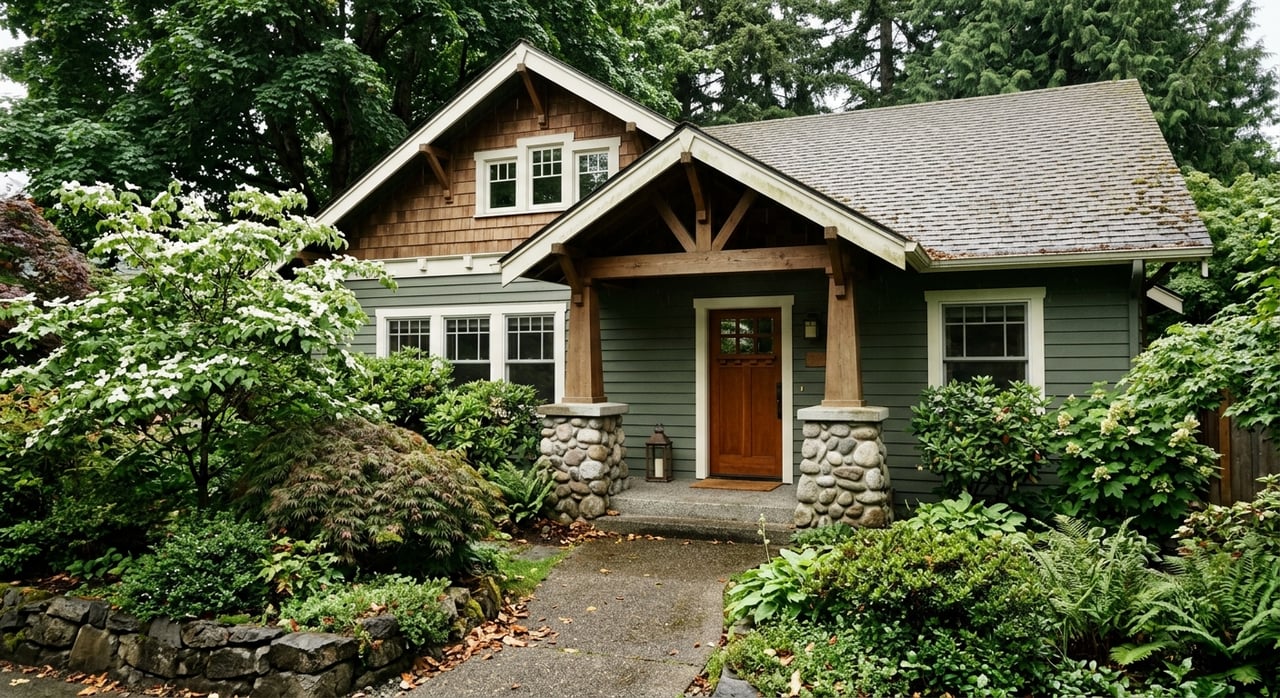
For many Camas Valley properties, the exterior is not just a first impression. It is a major part of the value buyers believe they are getting. A clean, maintained exterior can signal that the property has been cared for and may need less immediate work after closing.
A few practical steps can go a long way:
- Mow grass and keep it under 4 inches
- Remove debris from roofs and gutters
- Trim brush around the house and along the driveway
- Space tree crowns at least 10 feet apart where needed
- Clear clutter near outbuildings and work areas
- Make sure fences, gates, and visible exterior features are functional
If your property includes wooded areas or small acreage, think beyond the main house. OSU Extension recommends maintaining defensible space out to 100 feet or more around structures and treating the home and outbuildings as part of the same wildfire-risk picture. That kind of prep can help buyers feel more confident about the amount of land maintenance they may be taking on.
If you are removing brush, broken fencing, or old materials during prep, the Camas Valley Transfer Station may be a useful local disposal option through Douglas County.
Gather the Records Buyers Will Ask For
Rural buyers often want answers before they are fully emotionally invested. If you can organize the key property facts early, you reduce uncertainty and make it easier for serious buyers to move forward.
The Oregon Real Estate Agency says listing files should include items such as proof of ownership, the full legal description, zoning information, flood-zone information when applicable, and any CC&Rs, bylaws, or special assessments. For Camas Valley properties, these details can be especially helpful because lot lines, access, and land-use questions may be more prominent than they are in a typical in-town sale.
Douglas County’s GIS viewer can help confirm parcel details, plat maps, survey records, road names, zoning, floodplain information, and driveway data. Having those details ready can make your listing feel more complete and reduce back-and-forth once buyers start asking questions.
Check Permits and Property Changes
Before your property hits the market, take time to confirm that visible improvements line up with the proper records. Buyers may ask about shops, additions, decks, utility work, or driveway changes, especially if those features add meaningful value to the property.
Douglas County states that construction permits are generally required for building, mechanical, plumbing, electrical, and many repair or alteration projects. County Public Works also says a Right-of-Way Activity Permit is required for work in the county right-of-way, including constructing or improving driveway access.
If you are unsure whether past work was permitted, it is better to investigate early than to be surprised during escrow. Clear paperwork helps support buyer confidence and can prevent avoidable delays.
Get Ahead of Well and Water Questions
If your Camas Valley property has a domestic well, this is one of the first systems to review. Oregon law requires sellers to test domestic well water for arsenic, nitrate, and coliform bacteria during the real estate transaction and share the results with the buyer and the state Real Estate Transaction form.
Those test results are valid for one year, and the seller or representative has 90 days to send the results and RET form to the Oregon Health Authority. Since timing matters, it often helps to handle this step early rather than waiting until your transaction is underway.
You should also check whether the well has a well ID label. The Oregon Water Resources Department says a well ID label is required within 30 days of property transfer if the well does not already have one. Gathering the well report information in advance can make this part of the sale much smoother.
Prepare Septic Information Early
Septic systems are another major topic in rural sales. Buyers may want to know where the system is located, whether there have been repairs, and whether any records or evaluations are available.
Douglas County maintains historic septic records and also points property owners to time-of-transfer inspection rules. The Oregon Department of Environmental Quality says septic evaluations are recommended when buying or selling a home, and if one is performed, it should be done by an approved evaluator.
You do not need to guess what a buyer might ask for. Start by locating the septic tank, gathering service history, and pulling together any inspection or evaluation records you already have. That prep can reduce friction once your listing is live.
Review Tax Classification and Special Assessment
If your property includes acreage, one of the most important questions may be how the land is taxed. Douglas County says land in farm or forest special assessment can carry a Potential Additional Tax that remains with the land even when ownership changes.
The county also notes that disqualification can trigger up to 5 or 10 years of additional tax, depending on the program. This is not a small detail, so it is worth verifying before you list. Buyers will want to understand whether the current tax treatment may change based on future use.
Handle Disclosures Carefully
In Oregon, sellers usually need to provide a Seller’s Property Disclosure Statement when a buyer makes a written offer. Under Oregon law, buyers generally have five business days after delivery to revoke the offer unless they waive that right.
That makes disclosure timing and completeness more important than many sellers realize. A well-prepared disclosure packet can support buyer trust and help keep your transaction moving on schedule.
If your home was built before 1978, lead-based paint disclosure rules also apply. Oregon Health Authority says sellers must provide the required EPA pamphlet and disclose any known lead-based paint or hazards before sale, while giving buyers an opportunity to review that information.
Answer the Big Rural Listing Questions
When buyers look at a Camas Valley property, they are often evaluating more than the house itself. They may be trying to understand how the property functions day to day, what responsibilities come with it, and whether there are hidden issues.
Be ready to answer questions like these:
- Is the property served by a domestic well or public water?
- When was the last water test completed?
- Is there a septic system, and where is it located?
- Are there service records, repairs, or past evaluations for the septic system?
- Are there easements, shared driveways, road-maintenance agreements, or right-of-way issues?
- Were visible improvements properly permitted?
- Does the parcel have farm or forest special assessment?
- Has the property been maintained with defensible space and clear emergency access?
The more clearly you can answer these questions, the more confidence buyers tend to have.
A Simple Camas Valley Prep Checklist
If you want a practical way to prioritize your next steps, start here:
| Prep Area | What to Do |
|---|---|
| Access | Clear brush, improve sightlines, check gate function, confirm driveway clearance |
| Exterior | Mow, clean roofs and gutters, reduce debris, tidy outbuildings |
| Records | Gather legal description, zoning, flood info, surveys, and parcel details |
| Permits | Verify permits for additions, decks, shops, utilities, and driveway work |
| Well | Order water testing, locate well records, check for well ID label |
| Septic | Find septic location, collect service history, gather inspection records |
| Taxes | Confirm any farm or forest special assessment status |
| Disclosures | Prepare seller disclosures and lead-based paint information if applicable |
Final Thoughts on Selling in Camas Valley
The fastest wins for a Camas Valley sale are often not cosmetic alone. A clean exterior matters, but so do drivable access, visible address marking, organized records, and early attention to well, septic, permit, and tax details.
When you prepare the property and the paperwork together, your listing becomes easier for buyers to understand and easier for them to say yes to. If you want a clear plan for what to tackle before you sell, Casey Hilton can help you think through the details and next steps with a strategic, calm approach.
FAQs
What should you fix first before selling a Camas Valley property?
- Start with access, exterior cleanup, and key property documentation. In a rural sale, a clear driveway, visible address, functional gates, and organized records can make a strong early impact.
What well tests are required when selling a home in Oregon?
- For a property with a domestic well, Oregon requires testing for arsenic, nitrate, and coliform bacteria during the real estate transaction, with results shared with the buyer and the state RET form.
What septic information should you have ready for a Camas Valley home sale?
- Try to provide the septic system location, service history, past repairs, and any inspection or evaluation records you have. Douglas County may also have historic septic records available.
What property records matter most for a rural Camas Valley listing?
- Important records may include proof of ownership, legal description, zoning, flood information when applicable, surveys, plat maps, parcel details, and any special assessments or recorded restrictions.
What is farm or forest special assessment on Douglas County property?
- It is a tax classification that may reduce taxes while the land qualifies, but Douglas County says disqualification can trigger additional tax. Sellers should verify whether that status applies before listing acreage.
What disclosures are required when selling an older Oregon home?
- If the home was built before 1978, sellers must provide lead-based paint disclosure information, disclose any known hazards, and give buyers an opportunity to review that information before sale.