Wondering whether you need to pour money into a big remodel before selling your older Portland home? In many cases, you do not. What buyers usually want most is a home that feels well cared for, easy to understand, and less likely to come with surprises. That is especially true with Portland’s older housing stock, where charm and complexity often go hand in hand. This guide will help you focus on the prep work that matters most so you can spend wisely and move forward with more confidence. Let’s dive in.
Focus on clarity, not a full remodel
If you own an older home in Portland, it is easy to assume buyers expect a major update. In reality, a smart pre-sale plan often has more to do with reducing uncertainty than chasing a top-to-bottom renovation. Buyers tend to respond well when a home feels clean, bright, functional, and easy to picture themselves living in.
That approach also fits Portland well. The city has 315,899 housing units, and 52.0% are owner-occupied. It also includes Historic, Conservation, and National Register districts, where preserving original character and checking city rules can matter before you start changing exterior features.
Start with high-impact cosmetic prep
Older homes often shine when you make the right small improvements. Instead of overhauling everything, focus first on presentation and visible maintenance. That means helping buyers notice the home’s best features, not its distractions.
According to the 2025 NAR staging survey, 83% of buyers’ agents said staging made it easier for buyers to visualize a property as their future home. The same survey found that 29% said staging increased the dollar value offered by 1% to 10%. For sellers, that supports a practical strategy: improve how the home lives and looks before considering larger projects.
Prioritize the rooms buyers notice most
NAR reported that the living room, primary bedroom, and kitchen were the most important rooms to stage. If your budget is limited, those are usually the best places to start. In an older Portland home, that may mean simplifying furniture, improving light, and making sure period details are easy to see.
Good listing presentation matters too. NAR found that 73% of buyers’ agents said photos were much or more important, and 48% said the same about videos. Clean, bright spaces and thoughtful staging can help your home show well both online and in person.
Make simple updates that reduce friction
You do not need every finish to be brand new. You do want buyers to feel that the home has been maintained. Small issues can create outsized concern, especially in older homes where buyers may already expect hidden repairs.
Focus on visible items like:
- Chipped or worn paint
- Scuffed trim
- Sticky doors
- Tired or mismatched fixtures
- Burned-out bulbs or dim lighting
- General clutter that hides space or character
These fixes are often less expensive than remodeling, but they can do a lot to improve first impressions.
Let original character stand out
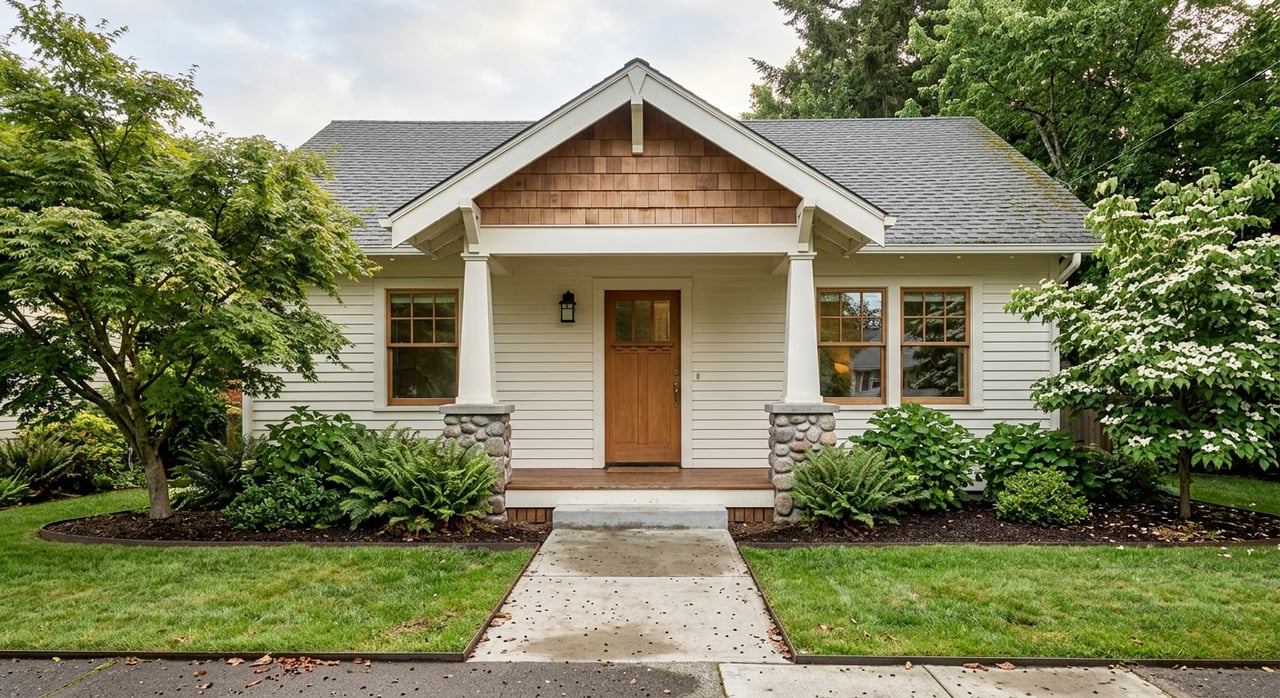
Portland buyers are often drawn to older homes because of what newer homes cannot easily replicate. Original woodwork, built-ins, trim details, and classic layouts can all help a home feel distinctive. Your prep plan should support those features, not compete with them.
That usually means a limited refresh instead of an overhaul. Fresh paint, decluttering, and better lighting often do more for marketability than replacing every surface. The goal is to help buyers appreciate the home’s character while feeling confident about its condition.
Reduce buyer questions before they come up
One of the smartest things you can do before listing is gather information early. Older homes often come with more questions about repairs, updates, permits, and system age. The easier you make those answers to find, the smoother your sale can be.
This is where thoughtful prep can protect both your time and your negotiating position. If buyers feel like they are guessing, they may write more cautiously or ask for larger concessions later.
Understand Oregon disclosure requirements
In Oregon, most sellers must complete and sign a seller’s property disclosure statement for buyers who make a written offer. The disclosure is based on your actual knowledge. Buyers generally have five business days after delivery to revoke if they have not waived that right.
That makes early preparation important. Before your home goes live, it helps to think through what you know about the roof, plumbing, electrical, drainage, heating and cooling, past repairs, and any issues you have addressed over time.
Research permit history early
Permit history is a big one for older Portland homes. PortlandMaps shows permit history for permits issued after June 2012, while older permit records may require a public records request. Portland also advises owners to address unresolved open permits or notices of violation before moving ahead with new work.
If your home has had additions, remodels, major system updates, or other substantial work, this is worth checking well before you list. It is much easier to sort through permit questions in advance than during escrow.
Gather the paperwork buyers may ask for
Documentation can go a long way toward building buyer trust. Even if your records are incomplete, pull together what you have. A simple folder of home information can help reduce back-and-forth once offers come in.
Try to collect:
- Appliance manuals
- Invoices for major repairs or updates
- Warranty information
- Service records for major systems
- Contractor information
- Permit records, if available
For an older home, this kind of organization helps buyers verify what was done and when. It also supports a more confident review of your disclosures.
Consider a pre-listing inspection
A pre-listing inspection can be especially useful when selling an older Portland home. Buyers often focus heavily on structural or foundation issues, plumbing, HVAC, electrical systems, and drainage. Those are the kinds of concerns that can quickly affect negotiations.
Knowing about issues before you list gives you options. You may decide to repair certain items, price with them in mind, or simply prepare clear documentation and a communication strategy before buyers discover them on their own.
NAR has also reported that more agents are recommending pre-listing inspections to help prevent post-offer surprises and canceled contracts. For homes with age, quirks, or a layered repair history, that can be a smart way to reduce uncertainty early.
Do not overlook lead-based paint rules
If your home was built before 1978, lead-based paint should be part of your prep planning. According to the EPA, homes built before 1978 are more likely to contain lead-based paint. The agency reports that 87% of homes built before 1940 and 24% of homes built between 1960 and 1978 have some lead-based paint.
This does not automatically mean you need major remediation before selling. It does mean you should be careful about how repairs are handled if they disturb painted surfaces.
Use lead-safe repair practices
Renovation, repair, or painting work in a pre-1978 home can create hazardous lead dust. The EPA recommends using certified lead-safe professionals for projects that disturb painted surfaces. Oregon also notes that the state licenses lead-safe contractors.
If you are planning touch-ups or repairs before listing, this is not an area to improvise. Using the right professional can help protect your household and keep your sale prep on the right track.
Be ready for required disclosure
Federal law requires disclosure of known lead-based paint information before the sale of most housing built before 1978. EPA and HUD state that buyers must receive that information before they are obligated under a contract.
For sellers, the practical takeaway is simple: do not wait until the last minute. If your home falls into this age range, build lead-paint disclosure into your prep process from the start.
Check historic district rules before exterior work
Some older Portland homes sit within a Historic District, Conservation District, or National Register District. In those areas, certain alterations, additions, or demolition-related work may require Historic Resource Review or other city review.
That matters if you are thinking about exterior repairs or design changes right before listing. A project that seems straightforward could require city review depending on the location and scope. Checking first can save time, money, and avoidable delays.
Build the right prep team
Older-home sales tend to go more smoothly when you have the right professionals involved early. Portland’s permit and historic-resource rules add a layer of local complexity, and that is where market-specific guidance really matters.
The most useful team often includes:
- A listing agent who understands older Portland housing stock
- A home inspector
- A contractor who can help interpret past work and permit history
- A lead-safe certified professional if repairs are planned in a pre-1978 home
Portland Permitting & Development oversees building permits, land use, inspections, code enforcement, and public works permits. Having someone who knows how to read permit history and spot issues early can save you time and help prevent surprises once buyers start asking questions.
Your smartest selling strategy
For most older Portland homes, the best return comes from spending money where it lowers buyer uncertainty. That usually means visible maintenance, thoughtful staging, accurate disclosures, organized paperwork, and early research into permits or historic-review questions.
In other words, your goal is not to erase the age of the home. It is to present that age with clarity, care, and a solid plan. If you want help building the right prep strategy for your home, connect with Casey Hilton for a local, detail-focused selling plan.
FAQs
What prep work matters most when selling an older Portland home?
- The highest-impact prep is usually visible maintenance, decluttering, fresh presentation, organized documentation, and early review of permits and disclosures rather than a full remodel.
Should you get a pre-listing inspection for an older home in Portland?
- A pre-listing inspection can be helpful because buyers often focus on structure, plumbing, HVAC, electrical, and drainage, and knowing about issues early can reduce surprises during negotiations.
What disclosures are required when selling a home in Oregon?
- In Oregon, most sellers must complete and sign a seller’s property disclosure statement based on their actual knowledge for buyers who make a written offer.
How do you check permit history for a Portland home?
- PortlandMaps shows permit history for permits issued after June 2012, and older permit records may require a public records request.
What should you know about lead-based paint when selling a pre-1978 Portland home?
- If your home was built before 1978, you should plan for required lead-based paint disclosure and use lead-safe certified professionals if repairs will disturb painted surfaces.
Do historic district rules affect exterior updates on older Portland homes?
- Yes, if your home is in a Portland Historic District, Conservation District, or National Register District, some exterior alterations or demolition-related work may require city review before work begins.