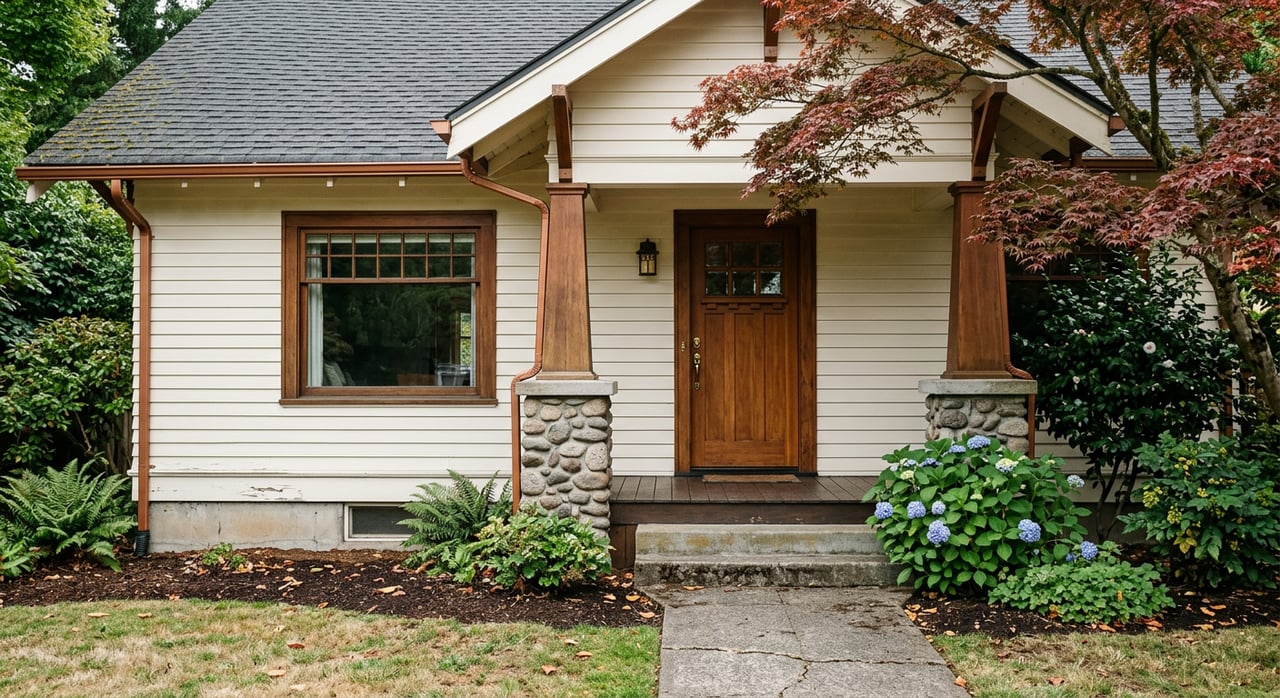
Love the character of Portland’s classic homes but worried about what you can’t see behind the walls? You’re not alone. Older houses offer charm and solid craftsmanship, yet they often come with system gaps and code differences that today’s buyers should plan for. In this guide, you’ll learn what “older” means in Portland, the most common issues inspectors find, which specialty tests to order, and how to plan your budget and timeline with confidence. Let’s dive in.
What “older” means in Portland
Portland’s older housing stock largely dates from the late 1800s through the 1930s. You’ll see Queen Anne and Victorian styles, early 1900s American Foursquares, and many Craftsman and Bungalow homes, especially in inner east-side streetcar neighborhoods. Areas like Irvington, Ladd’s Addition, Laurelhurst, and Sellwood have notable concentrations of period homes. For a snapshot of this legacy, explore the history of the Irvington neighborhood.
Construction details often include plaster-and-lath walls, original fir or oak floors, balloon or platform framing, masonry chimneys, and simple foundations. Many of these homes predate modern codes, so anchoring, insulation, and wiring may not match today’s standards. The City’s historic resource materials provide context for how these older features intersect with current rules and reviews (City of Portland historic resource materials).
Common issues buyers should plan for
Electrical systems
- What you might see: two-prong outlets, fuse boxes, smaller service panels, cloth-insulated conductors, or knob-and-tube (K&T) wiring. These can be unsafe for modern loads and often lack grounding. Local electricians explain why K&T raises safety concerns and often prompts upgrades (knob-and-tube overview).
- Why it matters: Some insurers limit or deny standard policies when active K&T is present. Confirm insurability before closing so you are not surprised by coverage conditions (old-home insurance considerations).
- Buyer action: If your inspector flags K&T or an undersized panel, request a licensed electrician’s evaluation and a written scope with estimates. Use that data to plan upgrades or negotiate.
Plumbing and sewer
- What you might see: galvanized water lines, cast-iron drain stacks, and older sewer laterals. Signs include low water pressure, rusty water, or recurring clogs.
- Why it matters: Sewer lateral condition is a frequent surprise. The City outlines owner vs. city responsibility, permit needs, and how repairs work. A video sewer scope is a smart add-on for older homes (Portland sewer lateral guidance).
- Buyer action: Order a sewer scope early, and get plumber quotes if issues appear. Clarify who pays for any required permits or right-of-way work.
Foundations and seismic
- What you might see: foundations without modern mudsill bolting, short unbraced cripple walls, and unreinforced masonry chimneys.
- Why it matters: Portland sits within a region with Cascadia and local crustal earthquake risks. State and federal agencies highlight the value of basic anchoring and bracing for older homes (Oregon earthquake preparedness, USGS Pacific Northwest seismic hazards).
- Buyer action: Ask your inspector to check for bolting and cripple-wall bracing. If missing, consult a contractor on a prescriptive bolt-and-brace retrofit and expected timelines.
Roofs, exterior, and moisture
- What you might see: moss growth, worn flashings, failing gutters, and water stains in attics or on ceilings.
- Why it matters: Our wet climate puts a premium on drainage and roof health. Water intrusion speeds up rot and can cause hidden damage.
- Buyer action: If age is unknown or stains appear, request a roofer’s assessment. Check gutters, downspouts, grading, and flashing around chimneys and valleys.
Insulation and energy performance
- What you might see: limited insulation in attics and walls, single-pane windows, and older boilers or furnaces.
- Why it matters: These features increase energy use and costs. Local incentives can offset upgrades such as insulation and heat pumps. Review current offers from the Energy Trust of Oregon (residential incentives and updates).
- Buyer action: Consider an energy assessment or at least note insulation levels and HVAC age. Use incentive programs to plan phased improvements.
Hazardous materials and health
- Lead paint: Homes built before 1978 fall under federal disclosure rules. Sellers must provide the EPA pamphlet and warning statement, and renovations that disturb paint typically require lead-safe practices by certified firms (EPA lead safety and disclosures).
- Asbestos: It can be present in some older floor tiles, insulation, or pipe wrap. Testing and licensed abatement are recommended before disturbing suspect materials.
- Mold and moisture: Our rainy season raises the chances of hidden moisture. If you see stains or smell mustiness, request a moisture-focused follow-up.
Inspections and smart due diligence
A standard home inspection covers visible and accessible systems, but it does not include invasive or environmental testing. Plan add-ons for older homes so you have a complete picture of safety, structure, and systems (what a standard inspection includes).
Recommended add-ons for older Portland homes:
- Sewer scope (camera) of the private lateral
- Licensed electrician evaluation if K&T or panel concerns are present
- Chimney sweep and flue inspection
- Lead paint testing for pre-1978 homes and RRP compliance for renovations
- Asbestos testing for suspect materials
- Radon test if you want screening
- Pest or wood-destroying organism inspection if indicated
Seller disclosures also matter. In Oregon, sellers must disclose known material defects, and for pre-1978 homes, they must provide the EPA lead paint pamphlet and lead warning statement (EPA lead safety and disclosures). Keep your inspection contingency long enough to complete specialty tests and collect quotes so you can renegotiate or walk away under your contract if major defects show up.
Permits, historic rules, and timelines
Most structural, electrical, plumbing, and significant mechanical work requires permits in Portland. For sewer work, the Bureau of Environmental Services explains requirements and permit types, including UR and UC permits for laterals (City guidance on sewer work and permits).
If a home is in a local or national historic district, exterior changes can trigger historic resource review or demolition review. Before planning window, siding, porch, or exterior detail changes, check a property’s historic status and the review thresholds to avoid delays (City historic resource materials).
Budget and negotiation game plan
Older homes often need immediate fixes or near-term updates. Go in with a plan so surprises do not derail your budget.
Smart budgeting tips:
- Keep your inspection contingency until you receive specialty reports and at least one contractor bid for any safety or system-critical item.
- Confirm with your insurer and lender if issues like active K&T wiring must be addressed before funding or binding a policy (old-home insurance considerations).
- Prioritize safety and structure: electrical hazards, damaged sewer laterals, and seismic anchoring. Basic bolt-and-brace retrofits are often cost-effective first steps.
- For big-ticket items, get at least three written bids. Common projects include whole-house rewiring, sewer lateral replacement, roof replacement, chimney repairs, and targeted structural work.
Negotiation pointers to consider:
- Use inspection findings to request repairs, a price reduction, or a seller credit at closing.
- If an issue affects safety or insurability, request completion prior to close or escrow funds for post-close repairs.
- For homes in historic districts, verify permit paths and review timelines before you commit to major exterior changes.
Buying an older Portland home can be a great move if you approach it with open eyes and a clear plan. With the right inspections, realistic budgets, and smart negotiations, you can enjoy the charm and liveability you love without unwanted surprises. If you want help building a step-by-step plan tailored to your goals and timeline, reach out to Casey Hilton for local guidance.
FAQs
What inspections are most important for an older Portland home?
- Start with a general inspection, then add a sewer scope, licensed electrician evaluation, chimney inspection, and testing for lead, asbestos, and radon as needed.
How do lead paint rules affect my renovation in a pre-1978 home?
- Federal rules require disclosure and lead-safe work practices; if you disturb paint, use an EPA-certified contractor and review the EPA pamphlet before proceeding.
Who pays to repair a damaged sewer lateral in Portland?
- Owners are responsible for the private lateral; review City guidance on responsibilities and permits and get quotes after a sewer scope before you close.
What seismic upgrades should I prioritize in an older house?
- Check for mudsill bolting and cripple-wall bracing; if missing, a bolt-and-brace retrofit is often a high-value, cost-effective first step in this region.
Can I get homeowners insurance with knob-and-tube wiring?
- Some insurers restrict coverage or require replacement; confirm insurability and any conditions early so you can plan repairs or negotiate with the seller.