What does everyday life actually feel like in close-in Portland? If you are trying to picture more than a map pin or a home style, that question matters. The good news is that close-in neighborhoods often offer a daily rhythm built around short trips, historic streets, local business districts, and easy access to parks and transit. If you want a clearer sense of how these areas function day to day, let’s dive in.
What close-in Portland means
In Portland, “close-in” usually refers to neighborhoods near the central city where residential blocks, neighborhood business corridors, and mixed-use districts sit close together. The City of Portland describes Inner Eastside neighborhoods as generally being within three miles of the Central City, with access to shops, schools, parks, health care, jobs, and cultural institutions.
That close-in pattern is not limited to the east side. City neighborhood pages also point to areas like Goose Hollow, the Pearl District, South Portland, the Northwest District, and Forest Park as places where you can find a more central, connected lifestyle. In practical terms, close-in Portland is less about one exact boundary and more about proximity to everyday needs.
Daily routines often stay local
One of the biggest draws of close-in Portland is how much of life can happen nearby. Many neighborhoods are set up around older street grids, neighborhood commercial corridors, and established parks, which can make short daily trips feel simple and familiar.
That might look like grabbing coffee on a main street, running a quick errand at a neighborhood business district, biking to a park, or using transit to get downtown or across the metro area. The city’s planning materials suggest that this pattern of short, local trips is one of the clearest threads connecting close-in neighborhoods.
Getting around without a car
Close-in Portland is known for giving you options beyond driving everywhere. The City of Portland says neighborhood greenways are low-traffic, low-speed streets designed to prioritize walking, bicycling, and rolling, and that the city has more than 100 miles of these greenways across Portland.
These routes help connect neighborhoods, parks, schools, and business districts. For many residents, that means it is easier to build walking or biking into regular routines instead of treating it as a special activity.
Transit access is part of the lifestyle
Transit also plays a big role in many close-in areas. TriMet says MAX Light Rail and frequent-service bus lines run every 15 minutes or less most of the day, every day, and MAX connects Portland City Center with Beaverton, Clackamas, Gresham, Hillsboro, Milwaukie, North and Northeast Portland, and Portland International Airport.
In the central city, the Transit Mall acts as a major transit hub, and Portland Streetcar serves the central city every day with zero-emission service. If you value flexibility in how you move around, that network is part of what makes close-in living appealing.
Main streets shape daily life
Close-in Portland does not usually revolve around one giant commercial center. Instead, daily errands and social routines often cluster around neighborhood business districts and main streets.
The City of Portland identifies places like Hawthorne, Division, Kerns, and Hollywood as important business districts in the Inner Eastside. Its neighborhood pages also point to areas such as Boise, Sunnyside, Sellwood-Moreland, Hollywood, Hillsdale, and Downtown as places where shopping, dining, and everyday services are easy to find.
What that looks like by neighborhood
The details vary, but the pattern is consistent. Boise is described by the city as a popular close-in neighborhood where Williams and Mississippi Avenues function as active residential and commercial areas.
Sunnyside is described as walkable, with shops, restaurants, and coffee houses along Hawthorne and Belmont. Sellwood-Moreland is noted for local grocery stores, coffee shops, businesses, walkable streets, riverfront access, and abundant parks.
Hollywood is described as supporting many small businesses and being close to MAX. In Hillsdale, the city notes a shopping center, a farmers market, a library branch, and schools, all of which support practical day-to-day convenience.
Parks are part of regular life
In many close-in Portland neighborhoods, green space is not an afterthought. Outdoor time often fits naturally into ordinary routines, whether that means a quick walk, a playground stop, a dog outing, or a longer weekend visit.
Mt. Tabor Park is one of the city’s standout examples. The city describes it as a 176-acre park on an extinct volcanic cinder cone, with forest, views, paths, picnic areas, playgrounds, and a dog off-leash area.
Laurelhurst Park offers a paved pathway to the play area, an accessible restroom, street parking, and a dog off-leash area. Grant Park is described as having quiet residential streets nearby, mature trees, a playground, and a dog park area.
Weekends can stay close to home
Some neighborhoods add even more outdoor access. Sellwood-Moreland is described as having riverfront access and abundant parks, while South Portland includes a pedestrian and bicycle path along the Willamette River that stretches from the Marquam Bridge area past Tilikum Crossing and Ross Island Bridge to the Sellwood Bridge.
Then there is Forest Park, which the city describes as a place where you can live in the forest and still be minutes from the city. At more than 5,000 acres, it adds another version of close-in Portland living for people who want both urban access and deep green space.
Housing has a distinct historic feel
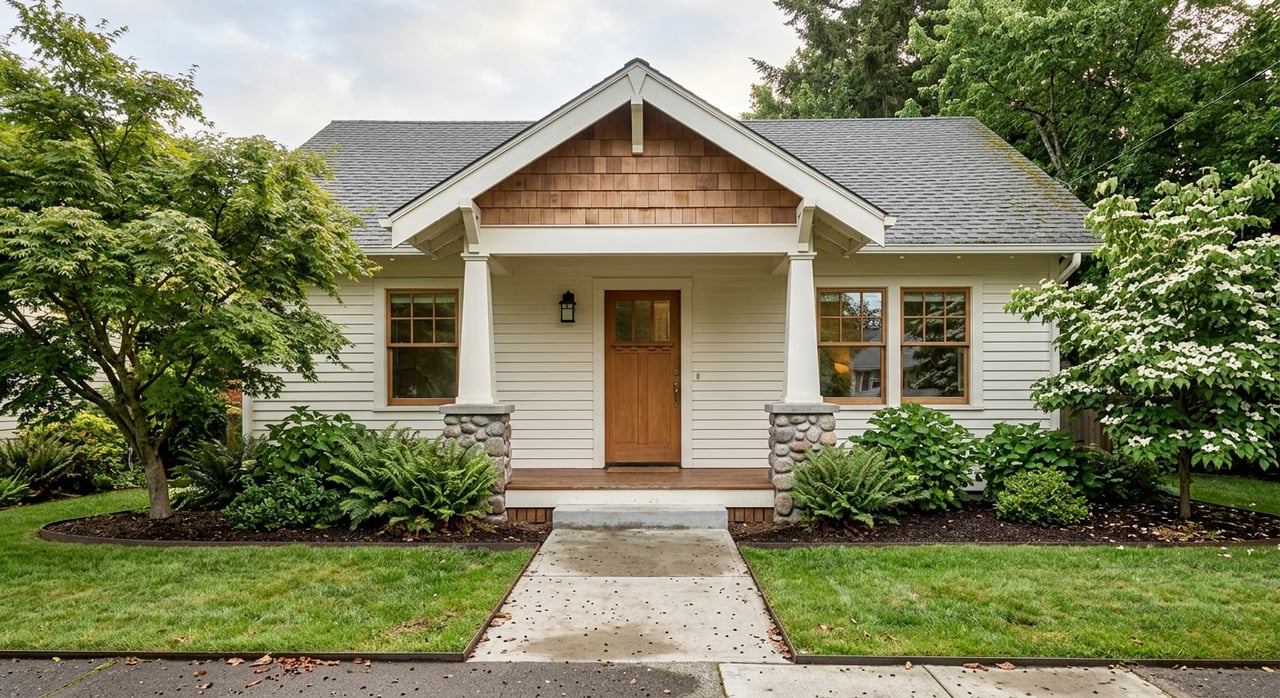
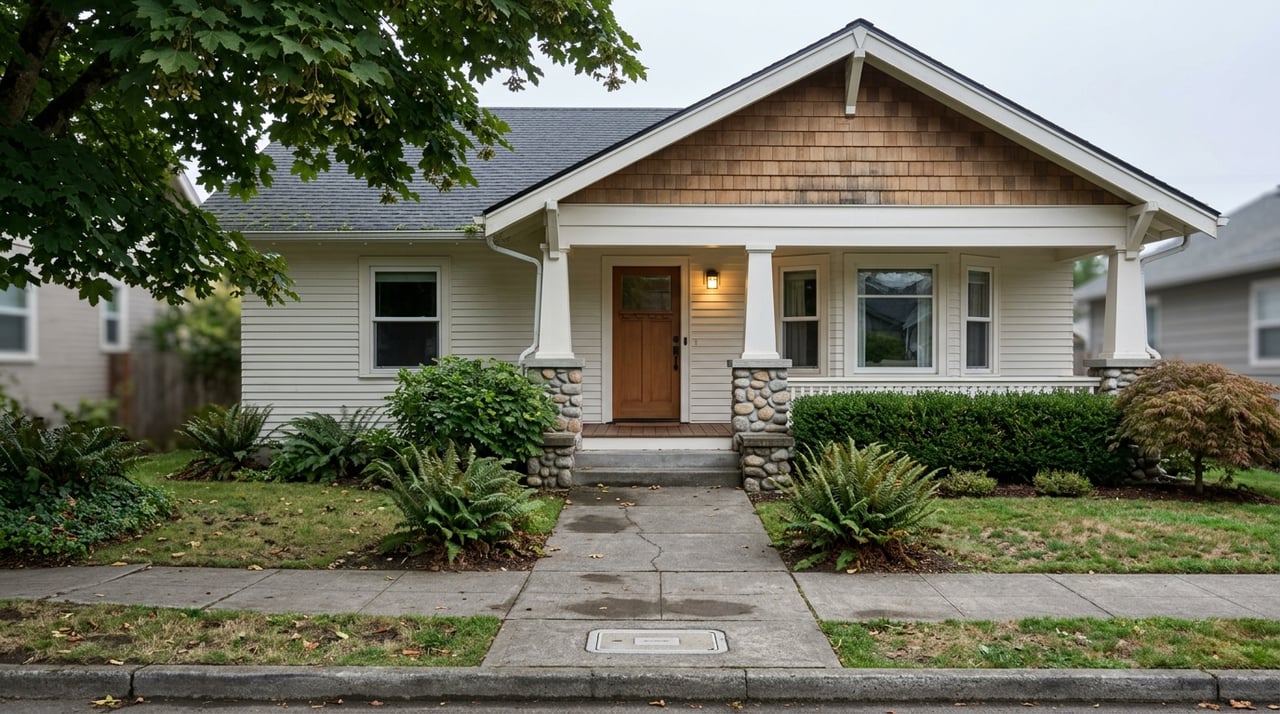
If you picture close-in Portland, you are probably picturing older homes, mature trees, porches, and a more established street feel. That general impression is supported by the city’s Urban Form Background Report, which says detached houses predominate in most residential areas and that common close-in styles include Victorian, Craftsman, Colonial, English, and other 1920s eclectic styles.
The report also notes that bungalow and foursquare forms are especially common. This helps explain why so many close-in blocks feel visually varied while still holding together as cohesive streetscapes.
The block-by-block mix matters
City neighborhood descriptions reinforce that architectural pattern. Sunnyside is described as having Victorian and Craftsman homes, while Laurelhurst is described as a close-in residential area with historic homes.
At the same time, the Inner Eastside Zoning Project notes that single-dwelling zoning remains the dominant land use in much of the area, while apartments and mixed-use development are concentrated along transit corridors and in a few centers such as Hollywood and Kerns. For you as a buyer or seller, that means the feel can change quickly from one block to the next.
Why close-in neighborhoods feel different
The built environment in close-in Portland still reflects historic streetcar-era development patterns. That often translates into finer-grained blocks, homes with stoops or porches, and neighborhood commercial areas woven into residential surroundings.
In everyday life, this can create a stronger sense of connection between where you live and where you spend your time. Instead of separating errands, recreation, and commuting into long drives, many close-in neighborhoods support shorter and more layered routines.
What buyers should pay attention to
If you are considering a move into close-in Portland, it helps to look beyond broad labels. Two homes that are only a short distance apart may offer very different daily experiences depending on their access to greenways, transit, parks, and business districts.
A smart way to evaluate a neighborhood is to think about how you would actually live there. Consider questions like:
- How close are your regular errands to home?
- Would you use greenways, transit, or the streetcar often?
- Do you want quieter residential blocks, a busier mixed-use area, or a blend of both?
- How important are nearby parks and outdoor paths to your weekly routine?
- Are you drawn to a classic bungalow or Craftsman street, or do you prefer a corridor with more housing types nearby?
What sellers should highlight
If you own a home in a close-in Portland neighborhood, the location story is often about more than square footage. Buyers may be looking closely at the everyday convenience of the block, the housing character, and how the home connects to nearby amenities.
That can include proximity to a business district, access to greenways or transit, nearby parks, and the appeal of established street patterns and older architectural styles. In many cases, the strongest marketing angle is not just the home itself, but how the home supports a practical and enjoyable daily routine.
The bottom line on close-in Portland
Close-in Portland neighborhoods tend to offer a specific kind of daily life: local businesses nearby, multiple ways to get around, established housing stock, and parks that are woven into the week instead of saved for special occasions. The exact feel varies by neighborhood and by block, but proximity is the common thread.
If you are buying or selling in Portland, understanding that block-by-block nuance can make a big difference in your decisions. If you want help thinking through close-in neighborhoods, home value, or your next move, connect with Casey Hilton for clear, local guidance.
FAQs
What does close-in Portland mean for homebuyers?
- Close-in Portland generally refers to neighborhoods near the central city where homes, business districts, parks, and transit are located close together, often supporting shorter daily trips.
Which Portland neighborhoods are considered close-in?
- City materials point to many close-in areas, including Inner Eastside neighborhoods such as Buckman, Sunnyside, Richmond, Laurelhurst, Hollywood, Kerns, Mt. Tabor, and Grant Park, along with places like Goose Hollow, the Pearl District, South Portland, the Northwest District, and Forest Park.
How easy is it to get around in close-in Portland without a car?
- Many close-in neighborhoods offer access to neighborhood greenways, MAX Light Rail, frequent-service bus lines, the Transit Mall, and Portland Streetcar, giving you several ways to get around.
What kind of housing is common in close-in Portland neighborhoods?
- Detached houses are common, and many close-in areas feature older homes with strong historic character, including Victorian, Craftsman, Colonial, English, bungalow, and foursquare styles.
What makes everyday life different in close-in Portland neighborhoods?
- The biggest difference is often proximity, with parks, neighborhood business districts, transit, and residential streets working together to support short local trips and a more connected daily routine.